
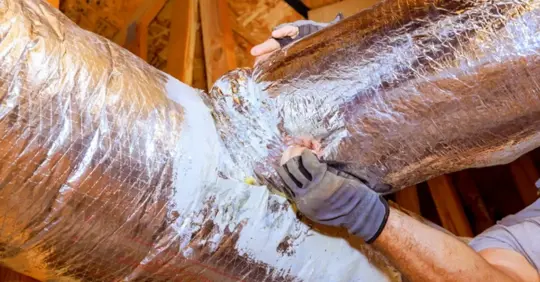
As a homeowner in Catlett, VA, you want your home to feel comfortable year-round without your energy bills skyrocketing. Many people don’t realize that your HVAC system doesn’t work alone—your home’s insulation and sealant play a major role in keeping your indoor environment cozy and efficient. Understanding how these elements interact with your heating and cooling system can save both energy and frustration.
Ensure your HVAC system is performing efficiently today—contact us online or call (681) 540-0592 to schedule a professional checkup. Our team is ready to help you maintain comfort safely.
Why Insulation Matters for Your HVAC System
Insulation acts like a blanket for your home, slowing the loss of heat in winter and keeping cool air inside during summer. Poor or outdated insulation can make your HVAC system work harder than it needs to, leading to uneven temperatures, more frequent cycling, and higher energy bills.
Signs You May Need Better Insulation
Rooms that are noticeably colder or warmer than others
Drafty spots near windows, doors, or walls
Sudden spikes in your monthly energy bills
Proper insulation supports your HVAC system by maintaining a more consistent indoor temperature. Consider upgrading or adding insulation in attics, crawl spaces, and walls if your home feels inconsistent or you notice energy waste.
How Sealant Protects Your Home’s Comfort
Sealants are materials used to close gaps and cracks in your home’s structure, such as around windows, doors, vents, and ductwork. Even small leaks can reduce your HVAC system’s efficiency by allowing conditioned air to escape.
Benefits of Effective Sealant
Keeps warm air inside during winter and cool air inside during summer
Reduces strain on your heating and cooling equipment
Improves overall indoor air quality by limiting dust and allergens
Some common areas to check include:
Duct joints and seams
Window and door frames
Penetrations around plumbing, electrical, and HVAC lines
Regularly inspecting and resealing these areas can help your HVAC system maintain consistent performance without unnecessary overwork.
How HVAC, Insulation, and Sealant Work Together
Your HVAC system, insulation, and sealant form a team. When one element is weak, the system must compensate, which can reduce efficiency and comfort. Improving insulation and sealing gaps allows your HVAC system to:
Reach desired temperatures faster
Maintain consistent airflow throughout your home
Use energy more efficiently, potentially lowering utility costs
It’s important to remember that improvements in insulation or sealing won’t instantly “fix” an aging HVAC system, but they can optimize its performance and help extend its lifespan.
Steps to Take Now
Even if you’re unsure where to start, these simple steps can improve your home’s HVAC performance:
Schedule an HVAC inspection with a licensed professional
Check insulation levels in attics, basements, and exterior walls
Inspect and seal gaps around doors, windows, and ductwork
Replace or clean air filters regularly to maintain airflow
For expert guidance, our team offers comprehensive inspections and can recommend upgrades tailored to your Catlett home. Learn more about our HVAC services and how we can help optimize your system.
Ready to Improve Your Home Comfort?
Maintaining your home’s insulation and sealing leaks are crucial steps in helping your HVAC system run efficiently and keep your indoor spaces comfortable. If you notice drafts, uneven temperatures, or high energy bills, don’t wait—contact Arctic Sun Heating & Cooling online or call (681) 540-0592 today to schedule a professional inspection. Our team is here to help you achieve consistent comfort and energy savings.